



Newlight Technologies, Prime Polymer develop dyable polypropylene blend
YarnsandFibers News Bureau 2026-11-09 16:31:36 – USAUS-based Newlight Technologies and Japan’s Prime Polymer have developed a polypropylene-based textile material that can be dyed using conventional disperse dyes designed for polyester. The development aims to overcome a longstanding limitation of polypropylene, which is lightweight, durable and quick-drying but difficult to dye because of its molecular structure.
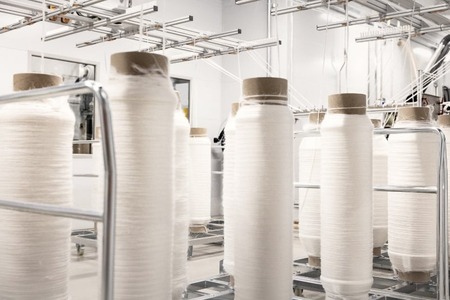
The partners have produced yarn as well as knitted and woven fabrics using a formulation that combines Prime Polymer’s compounding technology with Newlight’s Aircarbon PHB biomaterial. Polypropylene’s nonpolar molecular structure and tightly packed crystalline regions restrict dye affinity and penetration. Manufacturers typically address this by adding pigments to molten polymer before fibre spinning, a process that limits colour selection to an earlier stage of production.
The new formulation is designed to allow dyeing at the yarn or fabric stage, giving manufacturers greater flexibility to respond to brand colour requirements. According to the partners, the material is lighter than polyester and has mechanical properties suited to apparel and footwear applications.
Aircarbon is Newlight’s brand of polyhydroxybutyrate (PHB), a biomaterial produced by feeding microorganisms methane and air. Newlight says the material can be melted and processed into fibres, sheets and solid components, and describes its production as carbon-negative when renewable energy is used.
The work builds on earlier research, including a 2022 collaboration between Newlight and Sumitomo Chemical on Aircarbon-polypropylene materials for automotive components and dyeable textiles. Subsequent patent filings have also described formulations intended to improve colour strength in polypropylene-based fibres.
related news



Market Intelligence
Ask for free sample Report

experience
Customer Base
dedicated team
Countries Served Worldwide
newsletter
Register below to receive our newsletters with latest industry trends and news!
