

BMW to use natural-fiber composites in electric M3
YarnsandFibers News Bureau 2026-06-23 13:46:05 – GermanyBMW is set to introduce a major materials innovation with its first all-electric M3, replacing significant portions of traditional carbon-fiber-reinforced plastics with natural-fiber composite materials. The move reflects the automaker's strategy to combine high-performance engineering with lower-carbon manufacturing as it prepares to launch the next generation of M vehicles based on the Neue Klasse platform.
By adopting natural-fiber composites across key structural and aerodynamic components, BMW aims to substantially reduce the environmental impact of vehicle production while maintaining the lightweight characteristics essential to high-performance driving.
Despite the lower environmental footprint, BMW says the natural-fiber composites deliver stiffness and structural strength comparable to traditional carbon-fiber-reinforced plastics. This enables engineers to preserve the lightweight construction, rigidity, and dynamic handling expected from BMW M models without the higher emissions associated with conventional composite manufacturing.
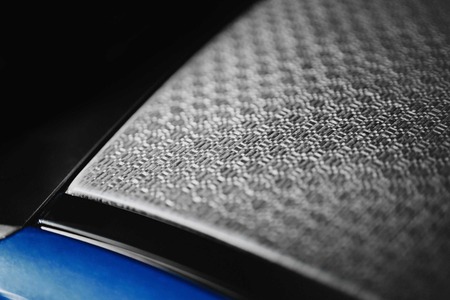
The technology has already been showcased in the BMW M Concept Neue Klasse, where natural-fiber composites are used extensively throughout the vehicle. Components including the roof, front splitter, rear diffuser, hood vents, mirror housings, and sections of the seat structure have all been engineered using the new material.
BMW has also developed a distinctive weave pattern specifically for the natural-fiber composite, giving the material its own visual identity. Rather than applying a traditional high-gloss finish, the company selected a semi-matte surface treatment to minimize additional weight that would result from multiple clear-coat layers, reinforcing its focus on lightweight efficiency.
related news




Market Intelligence
Ask for free sample Report

experience
Customer Base
dedicated team
Countries Served Worldwide
newsletter
Register below to receive our newsletters with latest industry trends and news!