
AIMPLAS explores enzyme-based recycling of marine waste
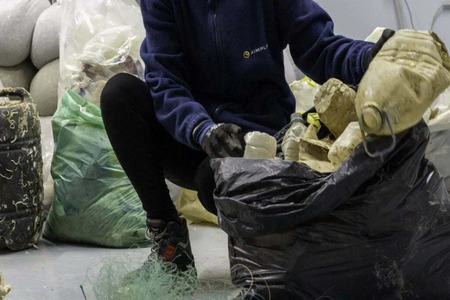
YarnsandFibers News Bureau 2026-07-24 13:55:48 – SpainSpain-based research center AIMPLAS is developing new enzyme-based recycling methods for marine plastic waste through its Oceanzyme project. The initiative aims to find sustainable ways to recycle plastic litter recovered from the ocean, including discarded nylon fishing nets and plastic bottles.
Working alongside partners such as Spain’s Institute of Marine Sciences and the Institute of Advanced Chemistry of Catalonia, AIMPLAS is developing an integrated solution that combines metagenomic analysis, enzyme studies, molecular simulations, and the isolation of bacteria capable of breaking down plastics. The project aims to recover value from marine waste through enzymatic recycling while exploring the use of the recycled materials in industries such as fisheries and aquaculture.
As part of the Oceanzyme project, marine waste collection campaigns will be carried out in the North Atlantic and the Levantine-Balearic regions, where marine litter densities range from 40 to 300 items per square kilometre.
The collected plastic waste will be analysed to study the microbial communities living on its surface using metagenomic techniques. Researchers will also isolate bacteria with the ability to degrade different types of plastics, identify enzymes with plastic-degrading potential, create 3D models of these enzymes, and test their effectiveness in enzymatic recycling applications.
related news




Market Intelligence
Ask for free sample Report

experience
Customer Base
dedicated team
Countries Served Worldwide
newsletter
Register below to receive our newsletters with latest industry trends and news!