

Polybion expands Celium cellulose to everyday products
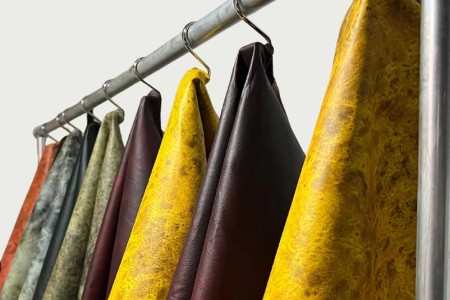
YarnsandFibers News Bureau 2026-09-18 13:55:01 – MexicoPolybion is expanding its Celium bacterial cellulose from fashion to everyday products designed for regular use and handling by allowing brands to incorporate the material into their products. The company produces Celium using bacteria and then processes the cellulose into flexible sheets at its facility in Mexico.
Mexican designer Patricio Campillo used two versions of Polybion’s Celium sheet material in three looks from his Spring 2027 collection, which was presented during New York Fashion Week. The lightweight and translucent Celium Manto, along with the denser and more textured Celium Espumante, complemented a collection inspired by Mexican identity, craftsmanship and Charro culture.
While Campillo’s collection provided a high-profile showcase for the material, Polybion is also testing Celium in products designed for regular everyday use. Custom menu covers made for restaurants and bars at Siari, a Ritz-Carlton Reserve, are one example, placing the material in a setting where it is handled frequently.
Another design studio Natural Urbano has also used Celium Manto in its made-to-order Cenit pendant and table lamps, combining the material with natural ash and stainless steel. Another suspended lamp, called Lomo, takes inspiration from the textile placed between a horse and its saddle and is available in both Manto and Espumante versions. Polybion has also developed Celium cardholders for Mexican energy company Sujío.
These applications show that Celium can be cut, shaped and combined with other materials for use in fashion, interiors and small accessories. However, Polybion has not shared production volumes, order values or detailed performance data for these products. It is also not yet clear how different coatings or finishes may affect the material’s durability or options for disposal and recycling at the end of its life.
related news




Market Intelligence
Ask for free sample Report

experience
Customer Base
dedicated team
Countries Served Worldwide
newsletter
Register below to receive our newsletters with latest industry trends and news!