

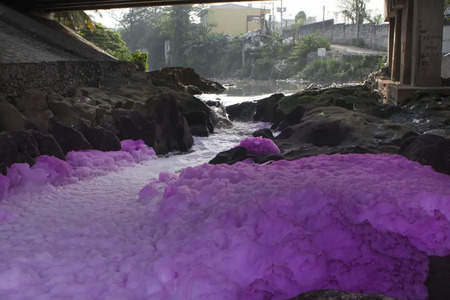
Iranian researchers develop EC reactor to treat textile dye wastewater
YarnsandFibers News Bureau 2026-02-24 14:17:44 – IranResearchers in Iran now report a potential solution for the pollution caused by textile dyeing. Scientists at Isfahan University of Technology have created a laboratory-scale electrocoagulation (EC) reactor that can remove up to 98 percent of colour from textile dyeing wastewater.
The results, published in the peer-reviewed journal Scientific Reports, point to a significant improvement in wastewater treatment. The study shows that the reactor not only reduces visible colour but also removes more than 80 percent of major chemical pollutants commonly present in textile effluents.
Electrocoagulation itself is an established method, but the team’s redesigned reactor improves both efficiency and contaminant removal. The system operates by passing an electric current through metal electrodes in the wastewater, which triggers reactions that destabilise and bind pollutants.
Although pilot-scale and industrial testing will still be required, the study represents an important step toward cleaner textile manufacturing. As sustainability increasingly influences sourcing choices and regulatory requirements worldwide, innovations like this could play a key role in helping the industry balance production needs with environmental responsibility.
related news




Market Intelligence
Ask for free sample Report

experience
Customer Base
dedicated team
Countries Served Worldwide
newsletter
Register below to receive our newsletters with latest industry trends and news!