


Researchers to make sandy soil more fertile using biopolymers
YarnsandFibers News Bureau 2026-08-20 13:59:57 – SwitzerlandResearchers from Empa in Switzerland and Khalifa University in Abu Dhabi are investigating whether microorganisms can help improve desert sand conditions and make them more suitable for agriculture while using less water. Their approach involves introducing bacteria and fungi into sand, where the microorganisms produce natural biopolymers that can hold sand particles together and slow the movement of water.
The microorganisms produce long biopolymer structures that develop into fibres and spread through the sand. According to Gustav Nyström, head of the Cellulose and Wood Materials laboratory at Empa, this process creates a type of natural composite material that can make the sand more stable.
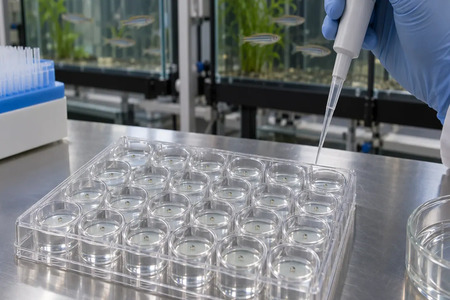
To test the method, the researchers treated sand samples from Abu Dhabi with different microorganisms in a nutrient solution. They then measured the strength of the treated sand and how quickly water moved through it. The researchers also tested a second method using bacteria that produce nanocellulose. The bacteria were used to create thin cellulose mats, which were then combined with sand to form layered structures.
The aim is to improve the condition enough to allow organic matter, water and microorganisms to remain in the soil for longer. This could create better conditions for additional microorganisms and plants to grow, potentially starting a natural process that gradually makes the soil more fertile and resilient.
However, the research is still at an early stage. The laboratory experiments are the first step, and the next stage will involve controlled field or greenhouse studies. These trials will examine how the biopolymers affect plant growth and whether the technology can be developed into a practical method for improving agricultural conditions in desert regions.
related news




Market Intelligence
Ask for free sample Report

experience
Customer Base
dedicated team
Countries Served Worldwide
newsletter
Register below to receive our newsletters with latest industry trends and news!