

NUS researchers convert carbon fibers into aerogels
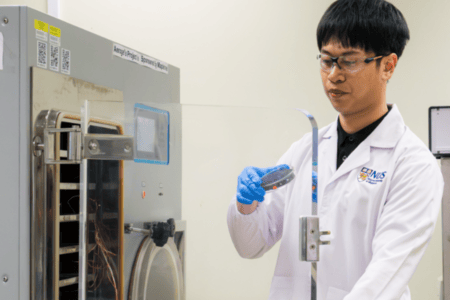
YarnsandFibers News Bureau 2026-08-24 13:46:43 – SingaporeResearchers at the National University of Singapore (NUS) have developed a new method to transform difficult-to-recycle carbon fibre and epoxy composite waste into multifunctional aerogels. The approach offers a way to reuse waste materials from industries such as aerospace and manufacturing while avoiding the complex recycling processes typically used for composite materials. The findings of the study were published in the scientific journal Waste Management.
The research team created a lightweight, non-toxic and highly porous material by mechanically grinding composite waste containing both carbon fibre and epoxy resin. The processed material was then combined with a binder and freeze-dried to produce an aerogel with a sponge-like structure. The resulting material can be used in applications such as thermal insulation, sound absorption and marine oil spill cleanup.
According to study leader Duong Hai Minh, the aim of the research was to demonstrate that carbon fibre composite waste can be treated as a valuable resource rather than simply a disposal challenge. By using both the carbon fibre and epoxy portions of the waste, the team was able to create a material with added functionality and higher value.
The team also conducted biocompatibility tests using human cells, which confirmed that the material is safe for potential use in a range of applications. Researchers are now seeking industry partnerships in sectors such as aerospace, manufacturing and waste management to support the commercial development of the technology.
Associate Professor Duong noted that while advanced composites have enabled lighter and more efficient products across many industries, managing these materials sustainably at the end of their life cycle remains an important challenge. He said the next step is to ensure that effective recycling and reuse solutions are available for these materials.
related news




Market Intelligence
Ask for free sample Report

experience
Customer Base
dedicated team
Countries Served Worldwide
newsletter
Register below to receive our newsletters with latest industry trends and news!