

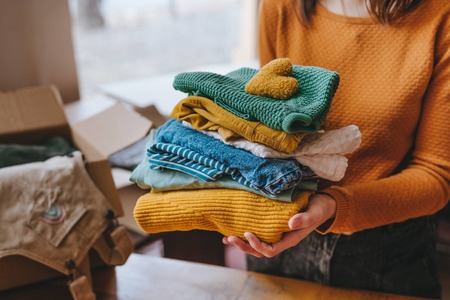
Japan targets to cut clothing waste by 25% by 2030
YarnsandFibers News Bureau 2026-01-07 14:53:27 – JapanJapan has announced a faster plan to reduce household clothing waste by 25% by fiscal year 2030, compared with levels in fiscal 2020. This move signals a stronger policy response to growing environmental concerns linked to the fashion and textile industry, which is known for high resource use and waste generation.
The Environment Ministry estimates that around 60% of clothing sold in Japan is thrown away without being reused. This highlights gaps in how garments are used, reused and managed at the end of their life. The new target aims to improve reuse and recycling, extend the usable life of clothing and encourage sustainable practices across the private sector.
Ministry officials have stated that a detailed action plan will be completed by March 2026. This plan is expected to define responsibilities for consumers, local governments and businesses, and include measures such as better clothing collection systems, stronger second-hand markets and improved textile recycling technologies.
Currently, the reuse of second-hand clothing and the recycling of textile fibres remain limited in Japan. One key challenge is the wide mix of materials used in modern garments, which makes recycling more difficult and less efficient.
Under the proposed framework, the government is expected to encourage local authorities to strengthen collection and reuse systems. Apparel manufacturers may also be urged to design garments that are easier to care for, repair and recycle, addressing sustainability across the entire product life cycle.
related news


Market Intelligence
Ask for free sample Report

experience
Customer Base
dedicated team
Countries Served Worldwide
newsletter
Register below to receive our newsletters with latest industry trends and news!