

CSIR-IICT develops nanofiber membrane for wastewater treatment
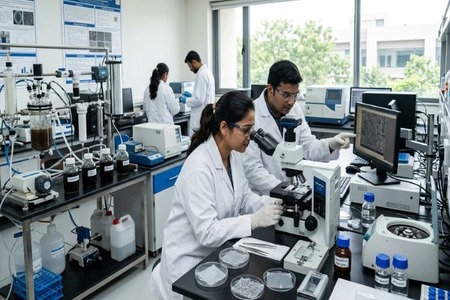
YarnsandFibers News Bureau 2026-06-15 14:29:45 – IndiaScientists at the Hyderabad-based CSIR–Indian Institute of Chemical Technology (CSIR-IICT) have developed an advanced electrospun nanofiber membrane for treating textile wastewater, representing a significant step forward in sustainable water purification technologies.
The newly developed membrane is capable of achieving 99.1% dye rejection, making it a highly effective solution for treating hazardous wastewater generated by the textile industry. The innovation supports India’s ‘Zero Liquid Discharge’ objectives and provides a scalable and energy-efficient approach to reducing industrial water pollution.
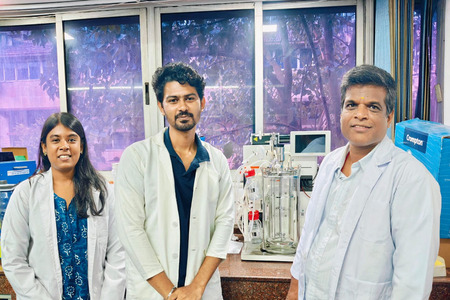
The research focuses on the removal of crystal violet dye, a harmful pollutant frequently released in textile industry effluents. The team, led by Chief Scientist S. Sridhar, has created a next-generation mixed-matrix nanofiber membrane using a combination of polyvinylidene fluoride and polyethersulfone to improve wastewater treatment performance.
The membrane is produced through an electrospinning process and incorporates advanced nanomaterials, including metal-organic frameworks (MOFs), graphene oxide, and graphene nanoplatelets. These materials help enhance the membrane’s filtration capabilities and overall effectiveness.
According to Institute Director Dr. Sridhar, nanofiber technology has become increasingly important in water treatment due to its large surface area, interconnected porous structure, excellent permeability, and strong adsorption capacity. These characteristics enable the efficient removal of dyes and other toxic contaminants while minimizing the energy required for filtration.
related news




Market Intelligence
Ask for free sample Report

experience
Customer Base
dedicated team
Countries Served Worldwide
newsletter
Register below to receive our newsletters with latest industry trends and news!