

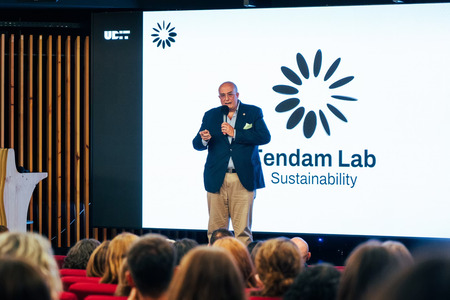
Tendam, UDIT study carbon impact of fashion e-commerce
YarnsandFibers News Bureau 2025-12-25 14:34:44 – SpainFashion group Tendam, in partnership with the University of Design, Innovation and Technology (UDIT), has released a new study examining the carbon footprint of fashion e-commerce. The research provides data-driven insights into the environmental impact of online shopping and marks an important step toward better understanding emissions in the digital fashion sector.
The study, titled Consumer Carbon Footprint of Fashion E-Commerce, was led by the Tendam Sustainability Lab. It uses life-cycle analysis and multi-criteria environmental assessment to measure emissions generated throughout the online shopping journey, including delivery and product returns. The research compares different purchasing models, such as home delivery, click-and-collect, and traditional in-store shopping.
The findings show that Tendam’s omnichannel approach produces significantly lower emissions per order compared with online-only retailers. According to the study, Tendam generates an average of around 400 grams of CO₂ per order, which is up to 7.5 times lower than the 1,500 to 3,000 grams of CO₂ produced by pure e-commerce platforms. This difference is mainly due to Tendam’s physical store network, closer proximity to customers, and more efficient, consolidated logistics.
The results of the study will support Tendam’s ESG strategy and guide future improvements in logistics and circular business practices. The research also demonstrates the importance of collaboration between universities and industry in developing clear, measurable, and evidence-based approaches to sustainability within the European fashion industry.
related news






Market Intelligence
Ask for free sample Report

experience
Customer Base
dedicated team
Countries Served Worldwide
newsletter
Register below to receive our newsletters with latest industry trends and news!