

Researchers develop metal-free natural dyeing for cotton
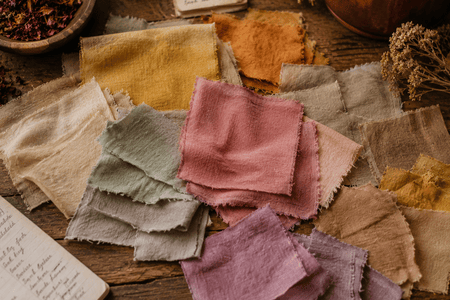
YarnsandFibers News Bureau 2026-08-14 13:54:41 – ChinaAn international team of researchers has developed a fully metal-free method for dyeing cotton using natural pigments and bio-based mordants. Published in August 2026, the study explores how plant- and waste-derived materials can be used as alternatives to traditional metal-based dye-fixing agents, helping reduce harmful substances in textile wastewater.
The research was carried out by scientists from Wuhan Textile University in China, Jashore University of Science and Technology in Bangladesh, and the Norwegian University of Science and Technology in Norway. The team focused on developing a low-cost and more environmentally friendly approach to natural textile dyeing.
For the study, researchers used pigments extracted from Mirabilis jalapa, commonly known as the four o'clock flower, along with five bio-mordant sources derived from plants and waste materials. These materials were tested on cotton fabrics to examine their potential to improve the performance of natural dyes without the use of metals.
Traditional natural dyeing processes often use metal mordants, including copper and iron salts, to help dyes bond with textile fibres and improve colour fastness. However, the use of these substances can introduce unwanted metals into textile wastewater, creating environmental concerns.
By replacing metal-based mordants with plant- and waste-derived alternatives, the researchers aim to reduce the environmental impact of textile dyeing while making natural colouration more practical. The use of low-cost bio-mordants could also provide an accessible option for manufacturers looking to adopt more sustainable dyeing processes.
The international collaboration highlights the potential of combining natural pigments with bio-based fixing agents to create a more sustainable route for cotton coloration. The researchers' approach could contribute to efforts to reduce hazardous substances in textile effluent while supporting the wider use of natural dyes in textile manufacturing.
related news



Market Intelligence
Ask for free sample Report

experience
Customer Base
dedicated team
Countries Served Worldwide
newsletter
Register below to receive our newsletters with latest industry trends and news!