

Researchers develop bio-based membrane to capture forever chemicals
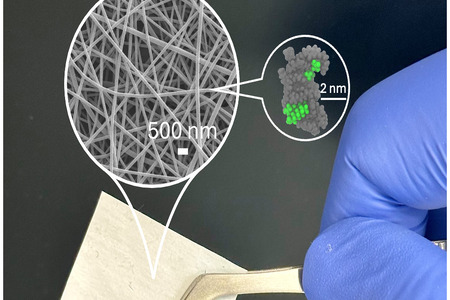
YarnsandFibers News Bureau 2026-04-08 14:02:47 – United KingdomResearchers at the University of Bath have developed a renewable, bio-based polymer membrane that can effectively capture harmful “forever chemicals” from water. This innovation could offer a more sustainable approach to water treatment.
Perfluorooctanoic acid (PFOA), part of the PFAS group of chemicals, was once widely used in non-stick coatings and is now commonly found in water sources around the world. High exposure to these chemicals has been linked to serious health issues such as cancer, hormone imbalance, and weakened immunity.
Unlike traditional water treatment materials that often need to be replaced regularly or create additional waste, this new membrane can capture more than 94% of PFOA from water. It can then be heated to release the trapped pollutants, allowing the material to be reused and turned into a new membrane.
The membrane is made from a network of nanofibres that absorb water and expand when placed in it. This process allows the material to act like a tightening net, trapping and holding harmful substances.
Dr Xiang Ding from the Innovation Centre for Applied Sustainable Technologies at the University of Bath explained that the material behaves differently from traditional nylon. While common nylons show little change in water, these bio-based nanofibres adjust their structure and tighten, helping them capture PFAS quickly and effectively within the polymer network.
related news





Market Intelligence
Ask for free sample Report

experience
Customer Base
dedicated team
Countries Served Worldwide
newsletter
Register below to receive our newsletters with latest industry trends and news!