

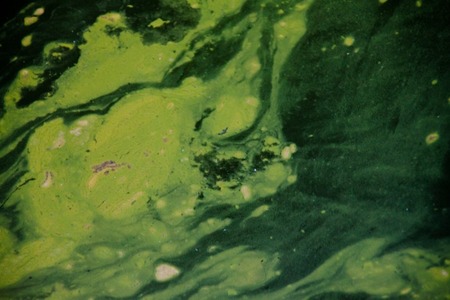
Researchers develop agricultural waste-based dye removal solution
YarnsandFibers News Bureau 2026-10-05 13:50:47 – JapanResearchers at Japan’s Doshisha University have developed an agricultural waste-based adsorbent designed to remove synthetic dyes from wastewater. The team used a single-step co-pyrolysis process to convert bullrush waste into a copper nanoparticle-enhanced activated carbon composite.
Published in the Journal of Environmental Chemical Engineering, the study demonstrated the material’s ability to remove both cationic and anionic dyes in laboratory experiments, highlighting its potential for textile wastewater treatment.
The adsorbent, designated ZVCu@BAC, is produced by combining bullrush agricultural waste with copper nitrate trihydrate and potassium hydroxide. During pyrolysis, gases generated by the biomass help reduce the copper precursor, eliminating the need for additional chemical reducing agents. The resulting porous carbon material achieved maximum adsorption capacities. It also retained more than 90% removal efficiency for methylene blue and 88% for methyl orange after six regeneration cycles.
The researchers said the approach could support a circular economy by converting low-value agricultural biomass into a reusable material for industrial wastewater treatment. However, the findings are based on laboratory experiments, and further evaluation will be needed to establish the adsorbent’s performance and economic viability at commercial scale.
related news




Market Intelligence
Ask for free sample Report

experience
Customer Base
dedicated team
Countries Served Worldwide
newsletter
Register below to receive our newsletters with latest industry trends and news!