

Research program aims to develop smart assistive clothing
YarnsandFibers News Bureau 2026-02-02 14:34:28 – CanadaCanadian government has launched an international research program to develop smart fibres along with flat knitted and woven textile structures that can move, sense, and carry power and data within garments. These technologies are designed to support clothing that adapts to different body types and movement patterns.
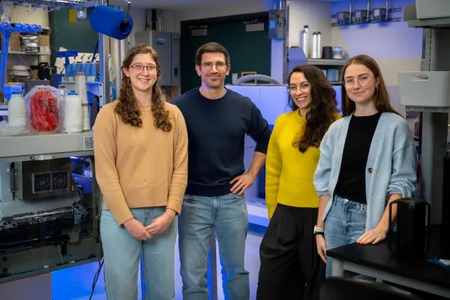
Rice University professors Daniel J. Preston and Vanessa Sanchez, both from the Department of Mechanical Engineering, are key partners in the six-year programme led by the University of Alberta. The project focuses on creating assistive garments that look and feel like everyday clothing while quietly offering support for posture, balance, and movements such as sitting down and standing up.
Vanessa Sanchez contributes expertise in fibre science, materials engineering, and robotics, with a strong focus on textile-based manufacturing for wearable robotic systems. She explained that the goal is to make assistance feel as natural as the fabric itself, providing support that is responsive but subtle. She added that by embedding intelligence and comfort into clothing people already enjoy wearing, the project can change how mobility support is experienced in daily life.
By building sensing and movement directly into fibres and textile structures, the researchers aim to create assistive clothing that is lightweight, washable, attractive, affordable, and suitable for large-scale production. Rice University will support the project through doctoral researchers throughout its duration, with additional involvement from undergraduate and master’s students working across design, biomechanics, and healthcare fields.
related news






Market Intelligence
Ask for free sample Report

experience
Customer Base
dedicated team
Countries Served Worldwide
newsletter
Register below to receive our newsletters with latest industry trends and news!