


Clemson, University of Georgia to develop low-input, natural cotton
YarnsandFibers News Bureau 2026-06-08 13:51:19 – GeorgiaResearchers from Clemson University and University of Georgia have joined forces to develop cotton varieties that require fewer resources such as water, fertilizers, pesticides, and dyes. Supported by an $11 million grant from the Bezos Earth Fund, the initiative aims to improve the sustainability and competitiveness of cotton, particularly against synthetic fibres.
A key focus of the project is the development of naturally coloured cotton. While some traditional heirloom cotton varieties naturally produce shades of red, green, and brown, these colours are often muted. Researchers are working to enhance the intensity of these natural pigments and expand the range of available shades, which could significantly reduce the need for conventional dyeing processes after harvest.
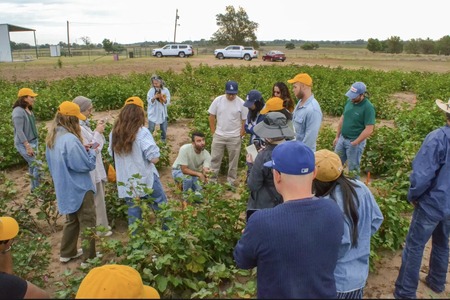
Once promising genetic traits have been identified, a team at the University of Georgia, led by Peng Chee, will use predictive modelling tools to determine the strongest parent plants for breeding. The selected cotton varieties will then be tested under field conditions to evaluate their performance and commercial potential.
Researchers from both institutions noted that technologies such as artificial intelligence are helping accelerate the breeding process by allowing faster analysis, prediction, and testing of desirable traits. They believe these advances could play an important role in developing more sustainable cotton varieties for the future textile industry.
related news



Market Intelligence
Ask for free sample Report

experience
Customer Base
dedicated team
Countries Served Worldwide
newsletter
Register below to receive our newsletters with latest industry trends and news!