

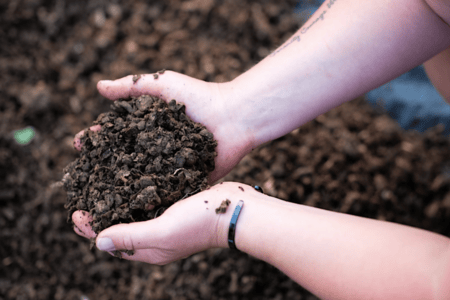
RMIT Research turns cotton waste into compost using vermicomposting
YarnsandFibers News Bureau 2026-08-12 14:03:32 – AustraliaRMIT researchers have discovered suitable methods and locations for converting cotton textile waste into organic compost. The research could help waste recyclers, local authorities and the Australian cotton industry reduce the amount of textile waste sent to landfills and support more sustainable practices in the fashion industry.
Led by Professor Rajkishore Nayak, the research brought together experts from RMIT’s Melbourne and Vietnam campuses. The team combined knowledge of textile materials, natural decomposition, composting and supply chain planning to study how cotton waste could be managed more effectively.
The researchers found that vermicomposting, which uses earthworms to break down organic materials, was the most suitable method for composting cotton textiles in Australia. The process can produce compost containing nutrients such as nitrogen, phosphorus and potassium, which can help improve soil quality and provide an alternative to chemical fertilisers.
The study also examined where future textile composting facilities could be established. Researchers looked at suitable locations to ensure that such facilities would be practical to operate and economically viable.
The research has also led to further studies at RMIT. A PhD researcher at the university’s Brunswick campus is continuing the work by testing textile composting under both controlled and natural conditions.
Professor Nayak is also exploring opportunities to continue similar research in Vietnam in collaboration with universities and industry partners. The research team has expressed interest in working with organisations involved in textile waste, composting, circular economy initiatives and sustainable supply chains.
related news





Market Intelligence
Ask for free sample Report

experience
Customer Base
dedicated team
Countries Served Worldwide
newsletter
Register below to receive our newsletters with latest industry trends and news!