

IISc Researchers create 3D-printed products from nylon waste
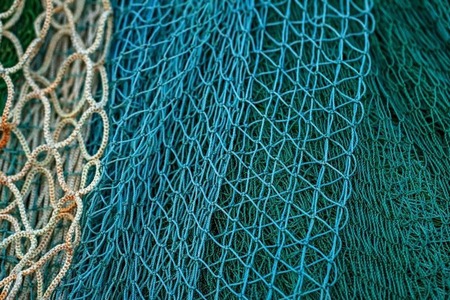
YarnsandFibers News Bureau 2025-11-07 17:27:12 – IndiaA research team from the Department of Materials Engineering (MatE) at the Indian Institute of Science (IISc) has created an innovative method to transform nylon waste from fishing nets and automotive parts into materials with renewable properties.
The plastic used in these products, nylon 66, often deteriorates under changing weather conditions, breaking down into microplastics that can pollute oceans and harm marine life. To address this, the team led by Professor Suryasarathi Bose collaborated with Chime Polymers Pvt Ltd, a Chennai-based company that collected discarded fishing nets and converted them into plastic pellets. These pellets were then turned into road dividers, boat hulls, and park benches by VoiLa 3D, a startup co-founded by Professor Bose.
“We initially explored chemical recycling, but it required too much time and was not environmentally friendly. So, we opted for mechanical recycling instead,” said Bose in an interview with Deccan Herald.
In this process, the polymer is melted, and melamine along with a zinc-based catalyst is added to produce an improved, upcycled version of the material. The resulting polymer can then be 3D printed into a variety of products, all of which remain recyclable after use. The entire melting and upcycling process takes under two minutes, while the time for 3D printing depends on the complexity of the product.
related news


Market Intelligence
Ask for free sample Report

experience
Customer Base
dedicated team
Countries Served Worldwide
newsletter
Register below to receive our newsletters with latest industry trends and news!